
Marine Cargo Insurance
Goods in transit face risks that land-based insurance doesn't cover: storm damage at sea, container losses, theft in port, and transit delays that spoil perishable cargo. Marine Cargo insurance protects your goods from point of origin to final delivery.
Goods in transit by sea, air, road and rail
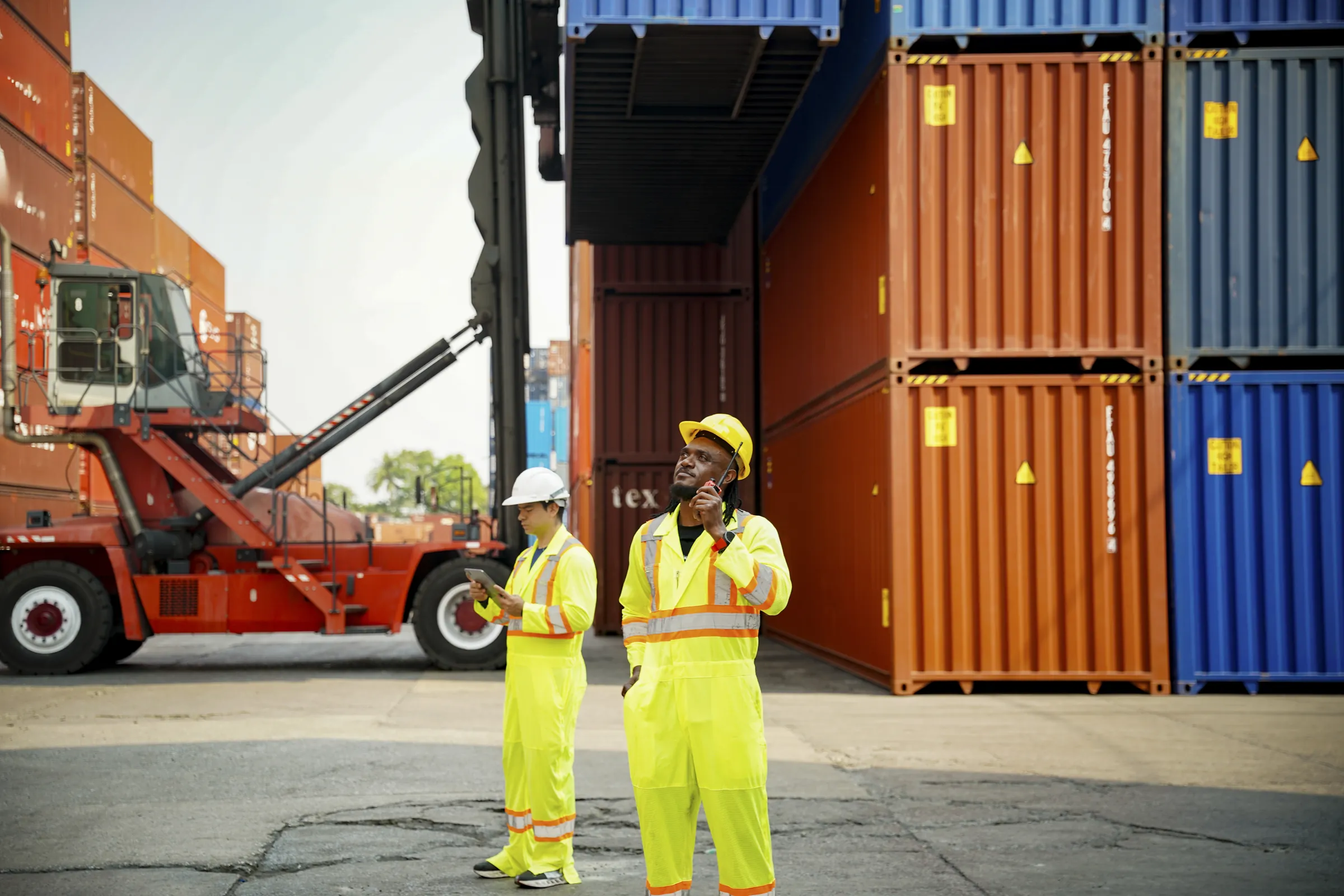
A container of stock that never turned up
An illustrative example of how Ardent can make the difference in a time of need.
A full container was short-landed at the destination port. The carrier's liability under the bill of lading was limited by weight, nowhere near the value of the goods inside it.
We lodged under the marine cargo policy instead of chasing the carrier, and put the commercial invoices, packing list and survey report in one submission.
The client was paid the insured value within weeks. The insurer then ran the recovery against the carrier itself.
This is an illustrative example. Every claim is assessed by the insurer on its own facts and under the terms of the policy.
Our Marine Cargo experts

QPIB · Dip. Fin. Serv. (Ins Broking) · ANZIIF (Snr Assoc) CIP
Mining, aviation, construction, retail and property
Steve has 40 years in insurance, most of it in construction and civil engineering, with underground mining, aviation, national retail and property development alongside. He is one of Ardent's founders, works from inside a client's business and keeps those relationships for the long term.

QPIB · Dip. Fin. Serv. (Ins Broking) · Dip. Integrated Risk Management · ANZIIF (Snr Assoc) CIP
Risk management and program design
Stephen co-founded Ardent and has 17 years in insurance, with clients from sole traders to multinational corporates. He works through the risks a business faces and helps decide what to avoid, reduce, retain or insure, balancing cover against cost. He has served on the committee of NIBA's NSW Mentoring Program.

Cyber, property, motor fleet and technology
Kye has two and a half years in insurance broking, after working in retail management, and is studying for his diploma in insurance broking. He looks after a general book of clients, with a focus on cyber, property, motor fleet and technology. Clients find him thorough, efficient and understanding.
What a client says about Ardent
The team is efficient and connected with insurance companies to get the best offer. Also very reliable and act with speed. The are great brokers.
Marine Cargo FAQ
Not necessarily, and often not in a way that protects you adequately. A seller's cargo insurance typically covers the seller's interest only. A freight forwarder's liability insurance covers their liability for negligence, not the full value of your goods. Under standard shipping terms (FOB, CIF), risk passes to the buyer at various points in transit. Ardent reviews your purchase terms and transit arrangements to identify where your exposure begins and arranges cover from that point.
General Average is an ancient maritime law principle: when cargo is sacrificed or expenses incurred to save a vessel (jettisoning cargo overboard in an emergency, for example), all cargo owners share the loss proportionally. This means you could be required to contribute to a General Average loss even if your own cargo was undamaged, and your contribution can be substantial. Marine cargo insurance typically covers General Average contributions.
Many importers insure their full landed cost: the value of the goods, freight charges, insurance premium, customs duties, and import costs. Insuring only the invoice value of the goods leaves you underinsured for the additional costs you've already paid or will incur. Ardent sets your insured value to reflect your true exposure at the point of loss.