
Public & Products Liability Insurance
Every trading business, whatever its size or industry, faces the risk of a third party suffering injury or property damage as a result of its operations or products. Public and Products Liability is the foundational cover that protects your business against these claims. Without it, a single claim can be very costly.
Protection for your operations and your products

A slip in a car park, and two policies pointing at each other
An illustrative example of how Ardent can make the difference in a time of need.
A visitor fell on a wet surface at a leased site. The landlord and the tenant each pointed at the other's lease obligations while the injured person's solicitor pressed on.
We read the lease against both policies, established where the maintenance obligation sat, and brought both insurers into the same conversation.
One insurer took the lead and the claim was settled. The client avoided funding a defence while the coverage question was worked out.
This is an illustrative example. Every claim is assessed by the insurer on its own facts and under the terms of the policy.
Our Public & Products Liability experts
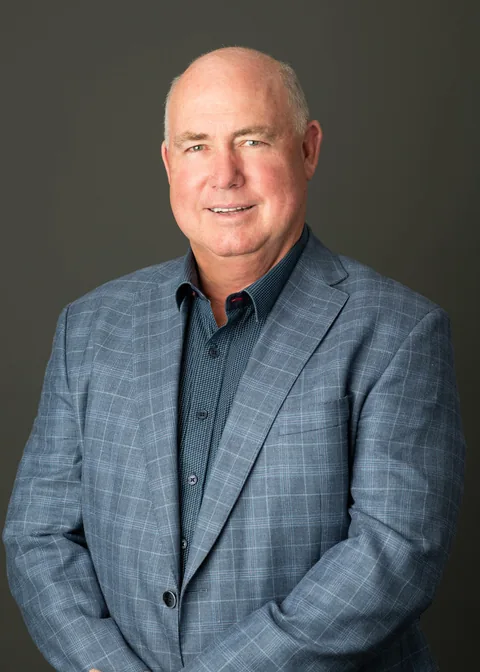
QPIB · Dip. Fin. Serv. (Ins Broking) · ANZIIF (Snr Assoc) CIP
Mining, aviation, construction, retail and property
Steve has 40 years in insurance, most of it in construction and civil engineering, with underground mining, aviation, national retail and property development alongside. He is one of Ardent's founders, works from inside a client's business and keeps those relationships for the long term.
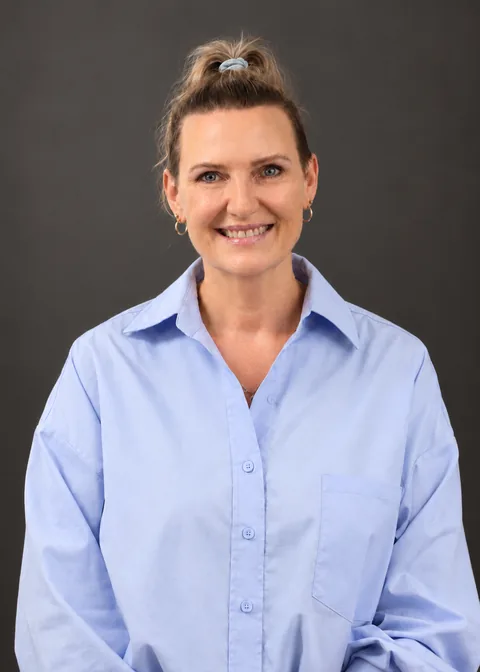
QPIB · Dip. Fin. Serv. (Ins Broking) · ANZIIF (Snr Assoc) CIP
The jewellery trade, childcare and commercial risks
Sarah co-founded Ardent and has more than 30 years in insurance in the UK and Australia, across commercial, property and casualty, professional risks and claims, with a focus on the jewellery trade and childcare. She works with each client to solve problems, plan ahead and see a claim through smoothly.
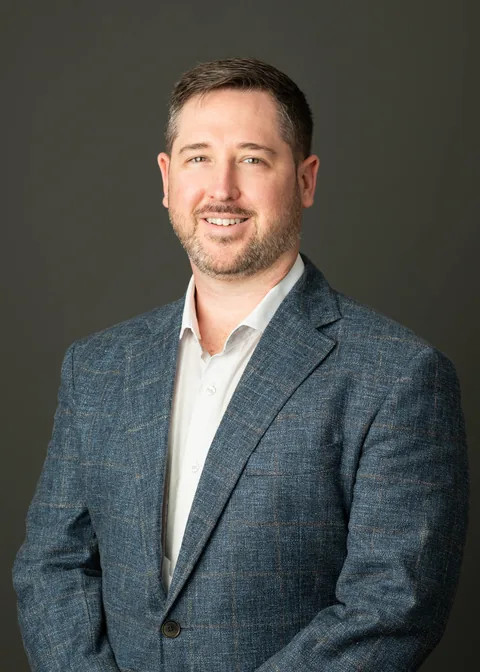
QPIB · Dip. Fin. Serv. (Ins Broking) · Dip. Integrated Risk Management · ANZIIF (Snr Assoc) CIP
Risk management and program design
Stephen co-founded Ardent and has 17 years in insurance, with clients from sole traders to multinational corporates. He works through the risks a business faces and helps decide what to avoid, reduce, retain or insure, balancing cover against cost. He has served on the committee of NIBA's NSW Mentoring Program.
What a client says about Ardent
A thorough and extremely proficient team, compared to any past experiences, for our company PI and PL insurances. A pleasure to deal with.
With Ardent, I have full confidence in our insurance-cover, which has been challenging in the past, given our niche requirements.
Public & Products Liability FAQ
The appropriate limit depends on your industry, client contractual requirements, and the scale of your operations. Government tenders and major corporate clients commonly require $10M to $20M as a minimum. Trade and retail businesses often carry $10M to $20M as standard. Some high-risk industries warrant $50M or more. Ardent benchmarks your limit against your contractual obligations, the size of your projects or operations and industry norms, then recommends a limit that fits your exposure.
Public Liability covers claims arising from your business operations: things that happen at your premises or while your team is working on a job. Products Liability covers claims arising from products you manufacture, supply or sell, after those products have left your control. For most businesses the two are bundled in a single policy, but the distinction matters when reviewing limits and exclusions. A food manufacturer's main exposure is products, while a security firm's main exposure is operations.
Most Public Liability policies exclude liability that only arises because of a contract (liability you have taken on beyond your general law obligations). Liability that would have existed under general law regardless of the contract is usually still covered. The distinction is important when reviewing indemnity clauses in commercial contracts. Some clients ask you to indemnify them for their own negligence, which a standard PL policy won't cover. Ardent reviews your standard contracts and advises on what's insurable.
This is covered under the "Products Completed Operations" section of your PL policy, which extends cover to claims arising from work you've completed, even after you've left the site or delivered the product. PL is an occurrence-based policy: as long as the policy was in force when the injury or damage occurred (not when the claim is made), it can respond, subject to its terms. This is different from PI insurance, which is claims-made. Keeping PL cover continuous means there is no gap for historical completed work.