Motor Fleet Insurance
Your fleet is a significant asset and a significant liability exposure, from one company vehicle to hundreds. Ardent structures motor fleet programs with agreed values, flexible cover options, and fleet discounting that grows as your fleet does.
Accident damage, theft and third-party liability across the fleet

A rear-end collision, and a third party claim that kept growing
An illustrative example of how Ardent can make the difference in a time of need.
A rigid truck ran into a stationary vehicle at a set of lights. The third party claim came back months later with hire car costs and a personal injury component attached to it.
We had the incident report and the telematics data on file from the day it happened, and put both to the insurer and the third party's solicitor early rather than letting the claim drift.
Liability was accepted, the hire car costs were cut back to a reasonable period, and the client's fleet rating held at the next renewal.
This is an illustrative example. Every claim is assessed by the insurer on its own facts and under the terms of the policy.
Our Motor Fleet experts
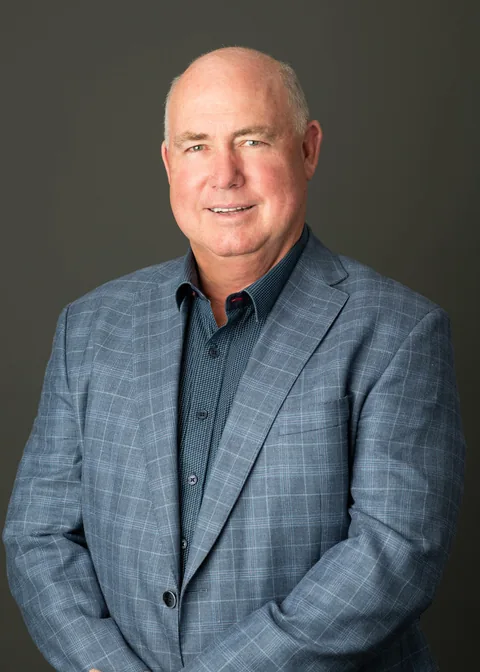
QPIB · Dip. Fin. Serv. (Ins Broking) · ANZIIF (Snr Assoc) CIP
Mining, aviation, construction, retail and property
Steve has 40 years in insurance, most of it in construction and civil engineering, with underground mining, aviation, national retail and property development alongside. He is one of Ardent's founders, works from inside a client's business and keeps those relationships for the long term.

QPIB · Dip. Fin. Serv. (Ins Broking) · Dip. Integrated Risk Management · ANZIIF (Snr Assoc) CIP
Risk management and program design
Stephen co-founded Ardent and has 17 years in insurance, with clients from sole traders to multinational corporates. He works through the risks a business faces and helps decide what to avoid, reduce, retain or insure, balancing cover against cost. He has served on the committee of NIBA's NSW Mentoring Program.

Cyber, property, motor fleet and technology
Kye has two and a half years in insurance broking, after working in retail management, and is studying for his diploma in insurance broking. He looks after a general book of clients, with a focus on cyber, property, motor fleet and technology. Clients find him thorough, efficient and understanding.
What a client says about Ardent
Excellent service with competitive and tailored insurance premiums
Motor Fleet FAQ
Many insurers look for a minimum of around 3 to 5 vehicles before applying a fleet rating, though this varies by insurer. Below that threshold, vehicles are typically rated individually on a business motor vehicle policy. However, Ardent's market access through the Steadfast network means we can access fleet-style pricing and coverage structures even for smaller numbers of vehicles. As your fleet grows, we review your program to capture the full benefit of fleet discounting.
Market value is what the vehicle would realistically sell for on the open market at the time of a claim, which accounts for depreciation and condition. Agreed value is a value fixed at inception of the policy that the insurer agrees to pay in the event of a total loss, regardless of market fluctuations. For most fleet operators, agreed value provides greater certainty for financial planning and can reduce disputes at claim time. Agreed value can suit many commercial fleets.
Not automatically. Standard fleet policies typically cover vehicles owned by the business. If employees use their own vehicles for company business (a "grey fleet"), your business may have third-party liability exposure if an accident occurs in a vehicle the employee's personal policy refuses to cover for business use. Ardent advises on whether your fleet policy can be extended to cover grey fleet exposure, or whether separate arrangements are needed.
Yes. In most cases, novated leased vehicles can be included in a fleet policy, though the specific requirements depend on your lease provider and insurer. Ardent reviews your novated lease arrangements, includes the relevant vehicles correctly, and has the right interested parties (financier, lessor) noted on the policy. Businesses often leave cover gaps here without realising it.