Marine Hull Insurance
For a commercial fishing vessel, a charter boat, a superyacht, or a commercial workboat fleet, Marine Hull insurance protects the physical asset and your liability to third parties. Standard property policies exclude watercraft, so specialist marine hull cover is essential for any business with a vessel at the centre of its operations.
Damage to the vessel and liability from operating it
A grounding, and a question about where the vessel was allowed to be
An illustrative example of how Ardent can make the difference in a time of need.
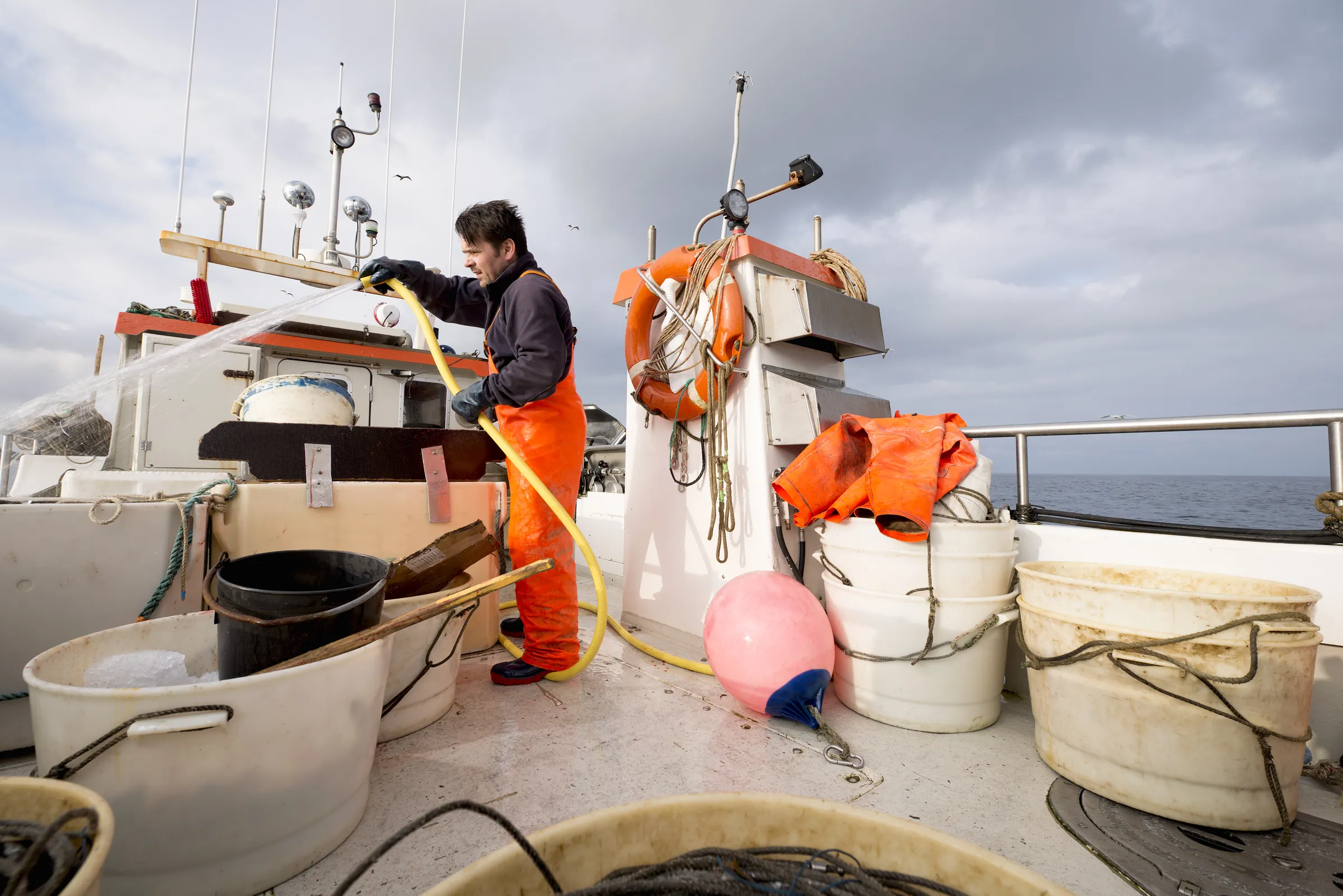
A workboat grounded outside its usual operating area during a charter. The insurer queried whether the voyage sat inside the navigational limits on the policy.
We had extended those limits when the charter work started, and produced the endorsement and the correspondence from the time. We also arranged the salvage surveyor.
The claim was accepted in full, covering salvage and hull repairs. The vessel was back on charter in six weeks.
This is an illustrative example. Every claim is assessed by the insurer on its own facts and under the terms of the policy.
Our Marine Hull experts
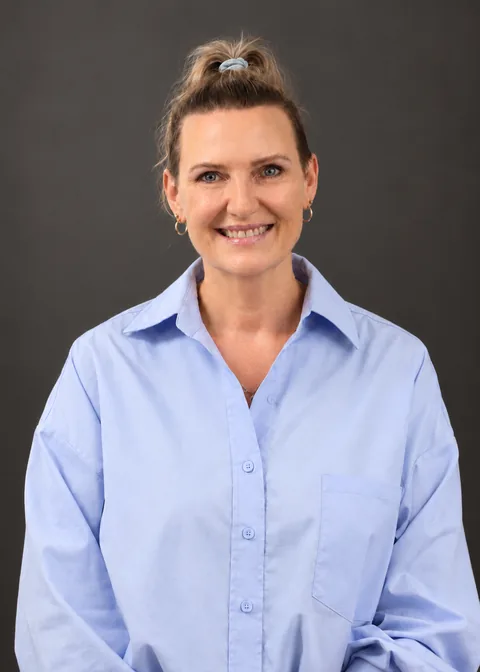
QPIB · Dip. Fin. Serv. (Ins Broking) · ANZIIF (Snr Assoc) CIP
The jewellery trade, childcare and commercial risks
Sarah co-founded Ardent and has more than 30 years in insurance in the UK and Australia, across commercial, property and casualty, professional risks and claims, with a focus on the jewellery trade and childcare. She works with each client to solve problems, plan ahead and see a claim through smoothly.
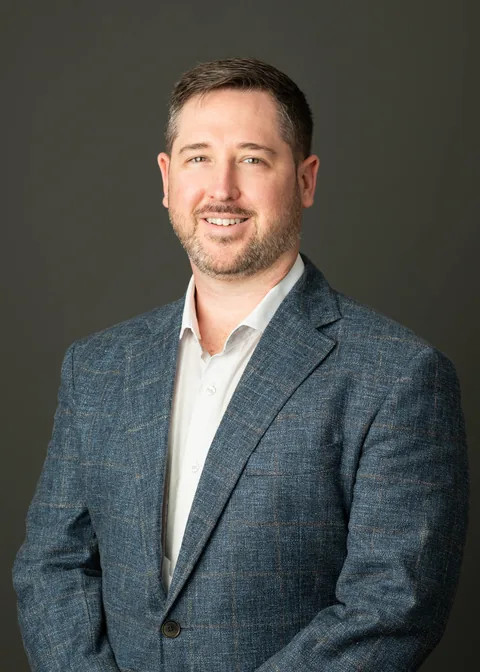
QPIB · Dip. Fin. Serv. (Ins Broking) · Dip. Integrated Risk Management · ANZIIF (Snr Assoc) CIP
Risk management and program design
Stephen co-founded Ardent and has 17 years in insurance, with clients from sole traders to multinational corporates. He works through the risks a business faces and helps decide what to avoid, reduce, retain or insure, balancing cover against cost. He has served on the committee of NIBA's NSW Mentoring Program.

Cyber, property, motor fleet and technology
Kye has two and a half years in insurance broking, after working in retail management, and is studying for his diploma in insurance broking. He looks after a general book of clients, with a focus on cyber, property, motor fleet and technology. Clients find him thorough, efficient and understanding.
What a client says about Ardent
Stephen and Ardent Insurance Solutions are unfailingly professional, knowledgeable and courteous.
Gratefully,
Michael
Marine Hull FAQ
No. Standard commercial property policies almost universally exclude watercraft. A vessel owned by your business, even one that sits at a marina for most of the year, has no physical damage cover under a property policy. A vessel used commercially generally needs its own Marine Hull policy. Ardent declares the insured value, navigation limits and use correctly, which reduces the risk of a claim being declined for excluded use or area.
Agreed value means the insured and insurer agree on the vessel's value at inception. If the vessel is a total loss, you receive that agreed amount without dispute. Market value means the insurer pays what the vessel was worth at the time of loss, which can lead to significant under-recovery for custom-built, refit, or older vessels. For commercial operations where vessel downtime is revenue-critical, agreed value cover is often the better fit. Ardent negotiates agreed value terms wherever possible.
Navigation limits define the geographic area within which your vessel is covered. These can range from port limits only, to coastal trading limits, to worldwide navigation for ocean-going commercial vessels. Operating outside your declared navigation limits, even occasionally, can void cover entirely. If your operations regularly take you beyond your usual trading area (e.g., a charter vessel taking a client offshore), Ardent can arrange temporary extensions or broader limits appropriate to your itinerary.